



Lucubra

Learn to read Latin

Lucubra is an iPhone and iPad app for reading Caesar, Virgil and Cicero, with every word one tap from its form, meaning and table.

WordVerbum

dīvīsa

dī·vī·sa /diːˈwiːsa/

dīvidō, dīvidere, dīvīsī, dīvīsum verb, third conjugation

In this sentence divided

Perfect passive participle, nominative singular feminine

  • perfect
  • passive
  • participle
  • nominative
  • feminine

divide, separate

Perfect passive participle
Masc.Fem.Neut.
Nom.dīvīsusdīvīsadīvīsum
Acc.dīvīsumdīvīsamdīvīsum
Abl.dīvīsōdīvīsādīvīsō

With est: is divided.

“Gaul, as a whole, is divided into three parts.” Caesar, The Gallic War 1.1

Tap any word

Every Latin word in Lucubra, in lessons, texts and games, opens a card: its form in plain English, its meaning in this sentence, the dictionary line, its syllables and accent, and the full table with your form outlined.

Meanings under the words

Turn on meanings and every word carries its English underneath. Add the forms when you want them, or switch it all off and read clean.

Armaarmsvirumqueand the mancanō,I singTrōiaeof Troyquīwhoprīmusfirstabfromōrīsthe shoresĪtaliam,to Italyfātōby fateprofugus,an exileLāvīniaqueand Lavinianvēnitcamelītorashores

I sing of arms and the man who first, an exile by fate, came from the shores of Troy to Italy and the Lavinian shores. Virgil, Aeneid 1.1–3

Meanings
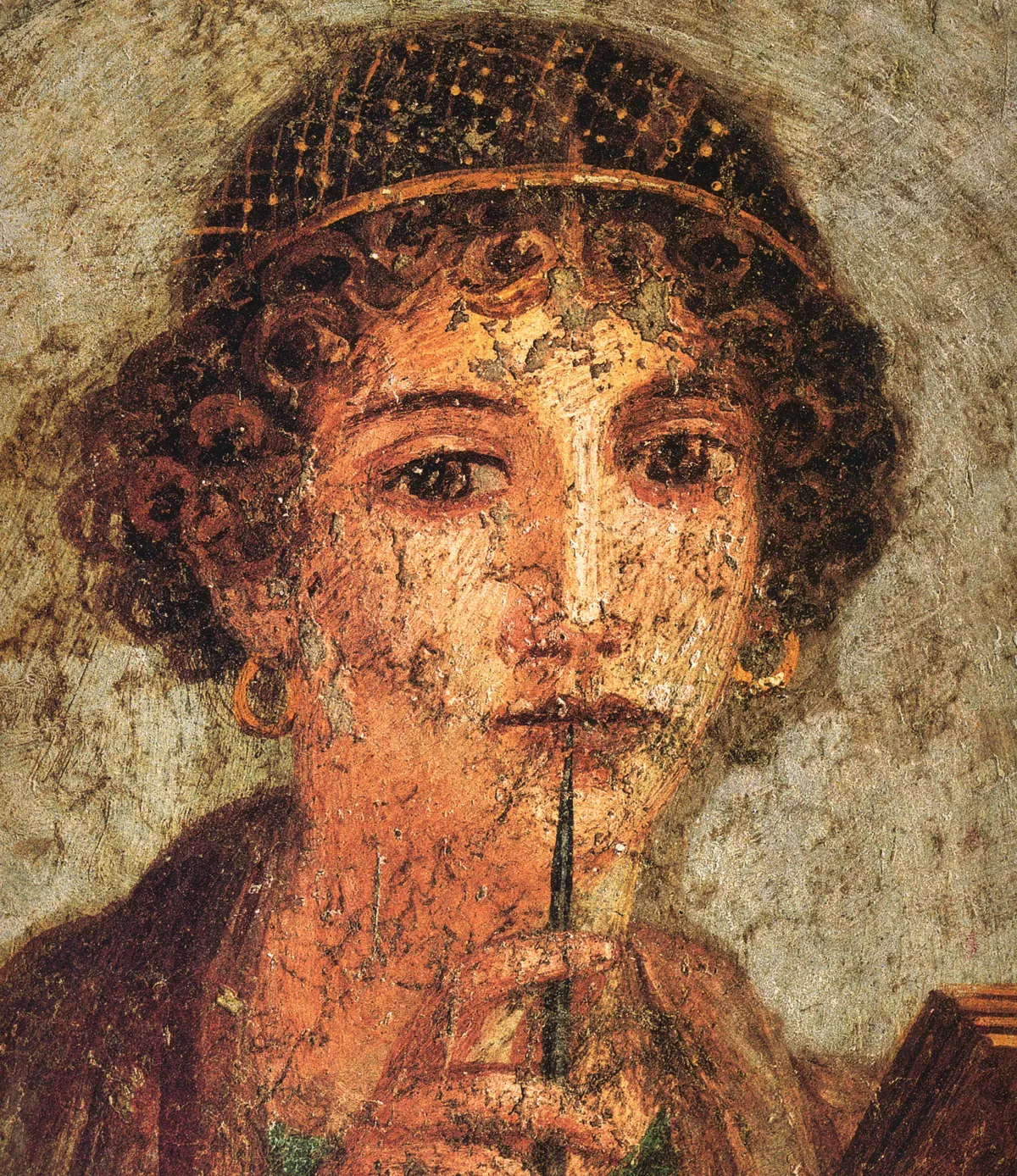
Fresco from Pompeii of a young woman holding a wax tablet and touching a stylus to her lips, 1st century AD

Help when you want it

Read with every aid switched on, then turn them off one by one as you grow. Each one is a setting, never a lesson you have to pass.

  • Meanings under the words

    Every word carries its English underneath, an interlinear you can switch off.

  • The forms, too

    Add each word’s form under its meaning when the grammar is the hard part.

  • Side by side

    The Latin and its English translation, sentence by sentence, every word still tappable.

  • Long vowels, shown or hidden

    Macrons on to learn the sounds, off to read as the Romans wrote.

  • Two pronunciations

    Restored Classical or Ecclesiastical, in IPA, spoken by your device’s Italian voice.

  • Syllables and accent

    Every word divided into syllables, with the stressed one marked.

  • Lewis & Short

    The senses of the great Latin dictionary on every card, then the full entry.

  • Every form in its table

    The whole declension or conjugation, your form outlined, with principal parts.

  • Save to review

    Keep a word from any card; spaced repetition brings it back in your daily review.

A young woman with wax tablets and a stylus, fresco from Pompeii, before AD 79. Naples, National Archaeological Museum.

Fresco by day, lamplight by night

A light theme like a Pompeian wall, a dark one like a study lit by a clay lamp. Lucubra follows your iPhone or iPad, or keeps the one you choose in Settings.

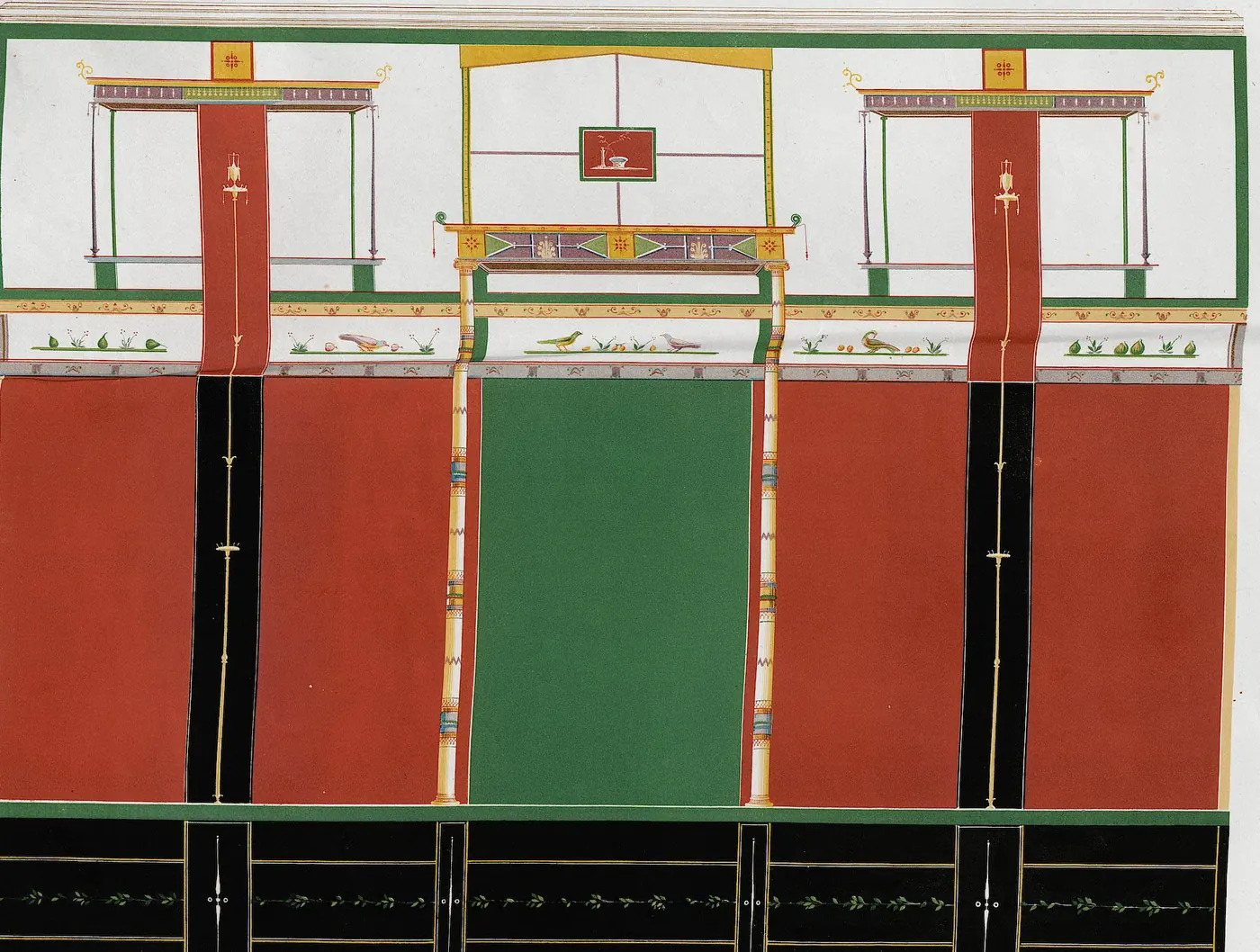
A painted Pompeian wall in the fourth style: red and green panels between slender painted columns, drawn by Wilhelm Zahn in 1833

The wall: Casa dei Bronzi, Pompeii, as Wilhelm Zahn drew it in 1833.

Thirteen units, any order

90 topics

From the first letter to Virgil’s hexameter. Each topic has a clear lesson with full tables, explained practice, and a reading written to use exactly that grammar. Nothing is locked behind earlier lessons, and Units 1 and 2 are free.

  1. Letters & sounds

    8 topics

    The Roman alphabet, long and short vowels, the accent, and how Latin sounded.

    Litterae et sonīFree

  2. First words

    7 topics

    Nouns and their cases, the first two declensions, and the verb “to be”.

    Prīma verbaFree

  3. The verb begins

    7 topics

    Principal parts, the present tense, commands, questions and word order.

    Verbum

  4. Adjectives & prepositions

    6 topics

    Describing words, words of place and direction, and what the ablative can do.

    Adiectīva et praepositiōnēs

  5. Third, fourth & fifth declensions

    6 topics

    The largest family of nouns, its adjectives, and the two small declensions.

    Dēclīnātiōnēs reliquae

  6. Tenses

    7 topics

    Past and future: the imperfect, future, perfect, pluperfect and future perfect.

    Tempora

  7. Pronouns

    6 topics

    I and you, this and that, who and which, self and same.

    Prōnōmina

  8. Passive & irregular verbs

    6 topics

    Being done to, verbs with passive forms and active meanings, and the irregular verbs.

    Passīvum et verba anōmala

  9. Participles & infinitives

    7 topics

    Verbal adjectives and nouns, the ablative absolute, and reported speech.

    Participia et īnfīnītīvī

  10. The subjunctive

    8 topics

    The mood of wishes, purposes and possibilities, and the clauses it governs.

    Coniūnctīvus

  11. Complex sentences

    7 topics

    Cum clauses, indirect questions, conditions and the subtler subordinate clauses.

    Sententiae compositae

  12. Case syntax & comparison

    9 topics

    How Roman authors use every case, comparison, numbers and impersonal verbs.

    Cāsūs et comparātiō

  13. Poetry & beyond

    6 topics

    Reading Virgil and Ovid aloud, inscriptions, and the Latin of the Church and the Middle Ages.

    Poēsis et ultrā

Read the Romans

A library of Roman authors in Latin, from Caesar and Cicero to Virgil, Ovid and the Vulgate. Every word opens its card, and every sentence its English where a free translation exists. Six fables of Phaedrus and the first chapter of John are free.

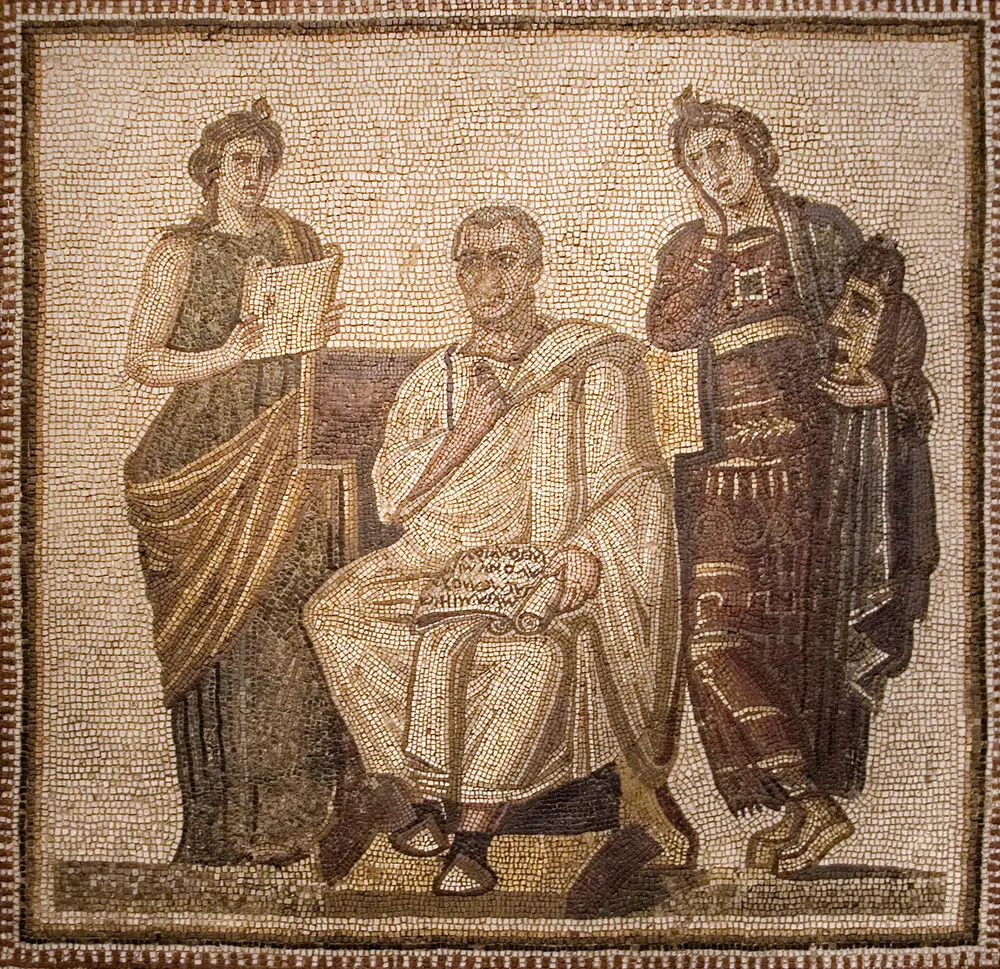
Roman mosaic of Virgil seated with a scroll of the Aeneid, between Clio, muse of history, and Melpomene, muse of tragedy
Virgil between two Muses, mosaic from Hadrumetum, 3rd century AD. Bardo Museum, Tunis.

Six games

Rounds of a minute or two, drawn from the texts you can open. Save words from any card for daily review, too.

  • Chariot Race Parse forms from real texts before the clock runs out.
  • Mosaic Set each form in its place in a declension or conjugation.
  • Exile Four forms, one outsider: send it away.
  • Forum Pairs free Pair Latin words with their meanings.
  • Scribe Put a real Latin sentence back in order.
  • Numerals free Read and write Roman numerals against the clock.

MMXXVI

M is 1,000, D 500, C 100, L 50, X 10, V 5 and I 1, added from left to right; a smaller numeral before a larger one is taken away: CM 900, XC 90, IV 4. Numerals, one of the two free games, drills it against the clock.

Keep your lamp lit

Lessons, right answers, readings, games and reviews earn XP. Climb thirty levels along the Roman course of honours, from Tīrō, Recruit, to Prīnceps, First citizen. Meet your daily goal and the lamp stays lit; every seven days in a row earns a flask of oil that keeps it burning through a missed day.

47 honours are struck as Roman phalerae, the medals soldiers wore: 17 bronze, 20 silver and 10 gold.

All thirty titles
  1. Tīrō Recruit
  2. Discipulus Pupil
  3. Audītor Listener
  4. Lector Reader
  5. Librārius Copyist
  6. Scrība Scribe
  7. Grammaticus Grammarian
  8. Interpres Interpreter
  9. Rhētor Rhetorician
  10. Ōrātor Orator
  11. Quaestor Quaestor
  12. Aedīlis Aedile
  13. Tribūnus Tribune
  14. Praetor Praetor
  15. Cōnsul Consul
  16. Prōcōnsul Proconsul
  17. Cēnsor Censor
  18. Lēgātus Legate
  19. Historicus Historian
  20. Poēta Poet
  21. Philosophus Philosopher
  22. Senātor Senator
  23. Augur Augur
  24. Pontifex Pontiff
  25. Doctor Teacher
  26. Ērudītus Scholar
  27. Pontifex Maximus High priest
  28. Pater patriae Father of the country
  29. Sapiēns Sage
  30. Prīnceps First citizen
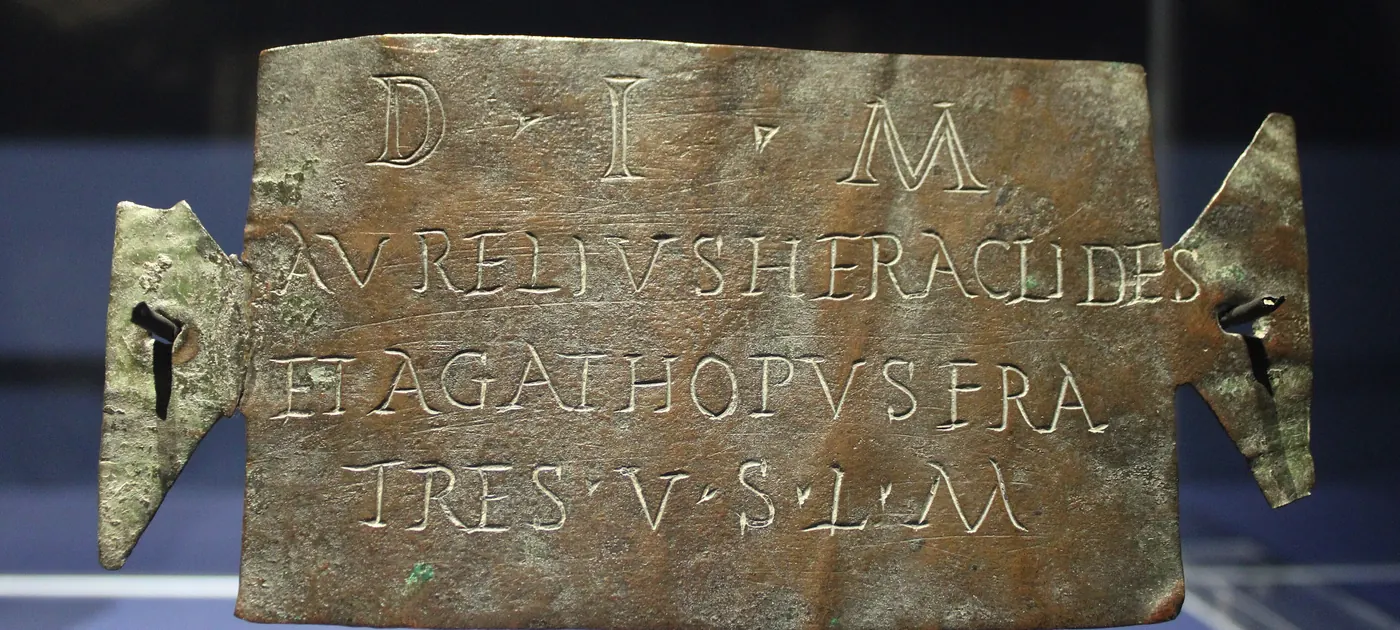
A bronze tabula ansata, a plaque with dovetail handles, inscribed in Roman capitals to Mithras by two brothers
A real tabula ansata: bronze, dedicated to Mithras by two brothers, Siscia, AD 175–225.

Free to start

Free

For your first months of Latin, and for good.

Units 1 and 2 (letters, sounds, the cases, the first two declensions and the verb “to be”, with their lessons, practice and readings), six fables of Phaedrus, the first chapter of John in the Vulgate, two games (Numerals and Forum Pairs), daily review, and the dictionary with word cards everywhere.

$0

for good
See the course

Lucubra Pro

For the whole course, the whole library and every game.

Pro opens Units 3 to 13, from the verb and its tenses to the subjunctive, conditions and Virgil’s hexameter; every work in the library; and all six games on every unit.

The yearly plan begins with a free week. Or pay $7.99 a month, $2.99 a week, or $79.99 once for life.

$39.99

a year, after a free week

Download on the App StoreDownload on the App Store
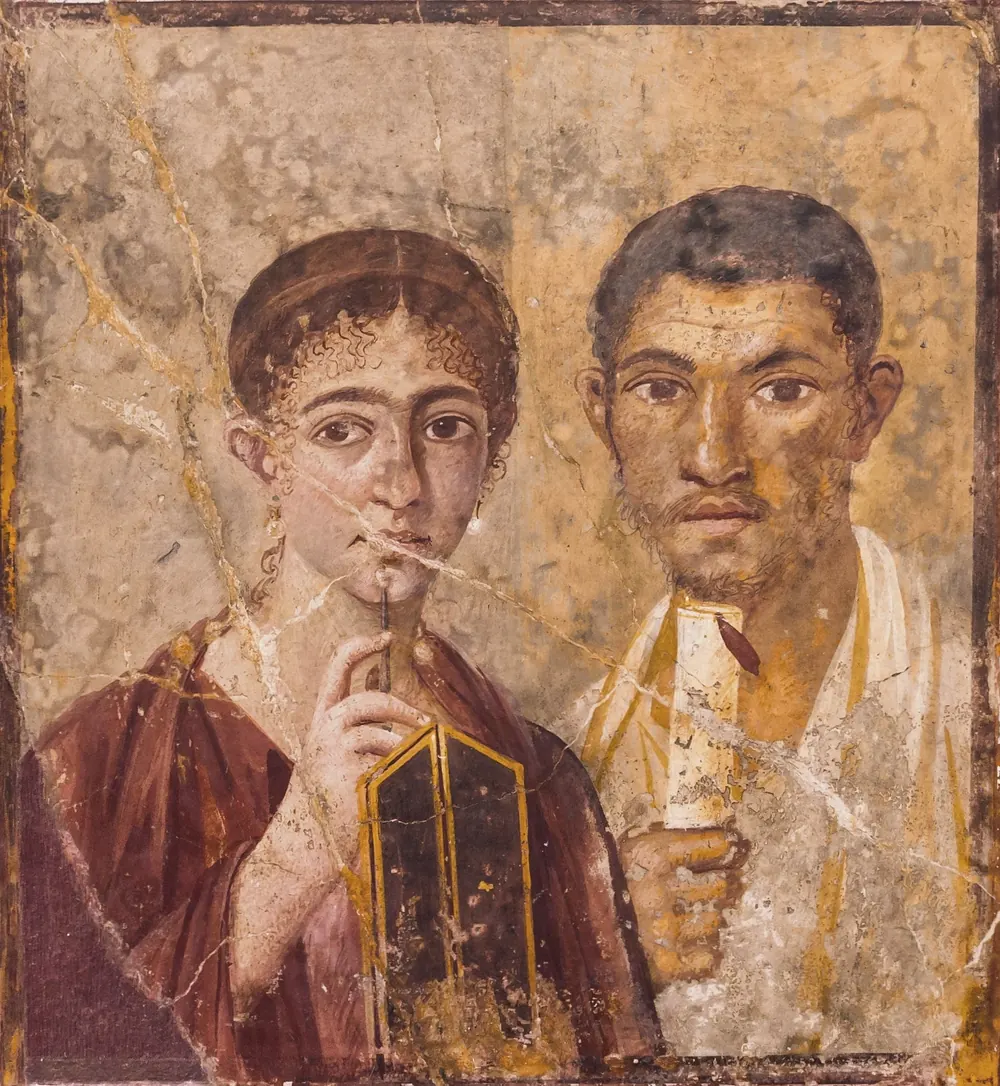
Fresco from Pompeii of a married couple: she holds a wax tablet and stylus, he a scroll

Private by design

No account, no ads, no tracking. Everything is inside the app and works offline, and your progress stays on your device.

  • Purchases go through Apple. RevenueCat, which checks whether Pro is active, sees an anonymous ID, never your name.
  • The daily reminder is scheduled on your device and is off until you switch it on.
  • This website sets no cookies and runs no analytics.

Read the privacy policy

Terentius Neo and his wife with tablets, stylus and scroll, Pompeii, 1st century AD.

Questions

Do I need to know any Latin?

No. Unit 1 starts with the alphabet and how Latin sounded. If you already know some, start anywhere: nothing is locked behind earlier lessons, and onboarding suggests where to begin.

Which pronunciation does it use?

Restored Classical, as Cicero and Caesar spoke, is the default; Ecclesiastical, the Latin of the Church and choirs, is a setting away. Every word shows its IPA. No device has a Latin voice, so Lucubra drives your device’s Italian voice with that IPA; if the Italian voice isn’t installed, the app explains how to add it.

What’s free?

Units 1 and 2 (letters, sounds, the cases, the first two declensions and the verb “to be”, with their lessons, practice and readings), six fables of Phaedrus, the first chapter of John in the Vulgate, two games (Numerals and Forum Pairs), daily review, and the dictionary with word cards everywhere. Lucubra Pro opens every topic, the whole library and every game.

Where do the texts come from?

From open scholarship: the Latin texts and public-domain English translations of the Perseus Digital Library, the Lewis & Short Latin Dictionary, Wiktionary and Whitaker’s Words. Every source is credited in the app under Sources & credits.

Does it work offline?

Yes. Lessons, texts, the dictionary and games are all inside the app. The internet is needed only to buy or restore Pro, and to open a word in Logeion, Wiktionary or Perseus.

Do I need an account?

No. There is no sign-in, no ads and no tracking. Your progress stays on your iPhone or iPad.

Do I have to type Latin?

No. Exercises and games use choices, taps and word tiles, so you never need a Latin keyboard.

Which devices?

iPhone and iPad with iOS 18 or later. On iPad, Lucubra uses a sidebar and the larger screen for reading.

How do I cancel Pro?

In your Apple Account settings, at least 24 hours before the current period ends. You keep Pro until then. The lifetime purchase never renews.

Light the lamp

Romans read late by the light of a clay lamp and called the work lucubration. Lucubra is on the App Store for iPhone and iPad with iOS 18 or later; Units 1 and 2 are free.

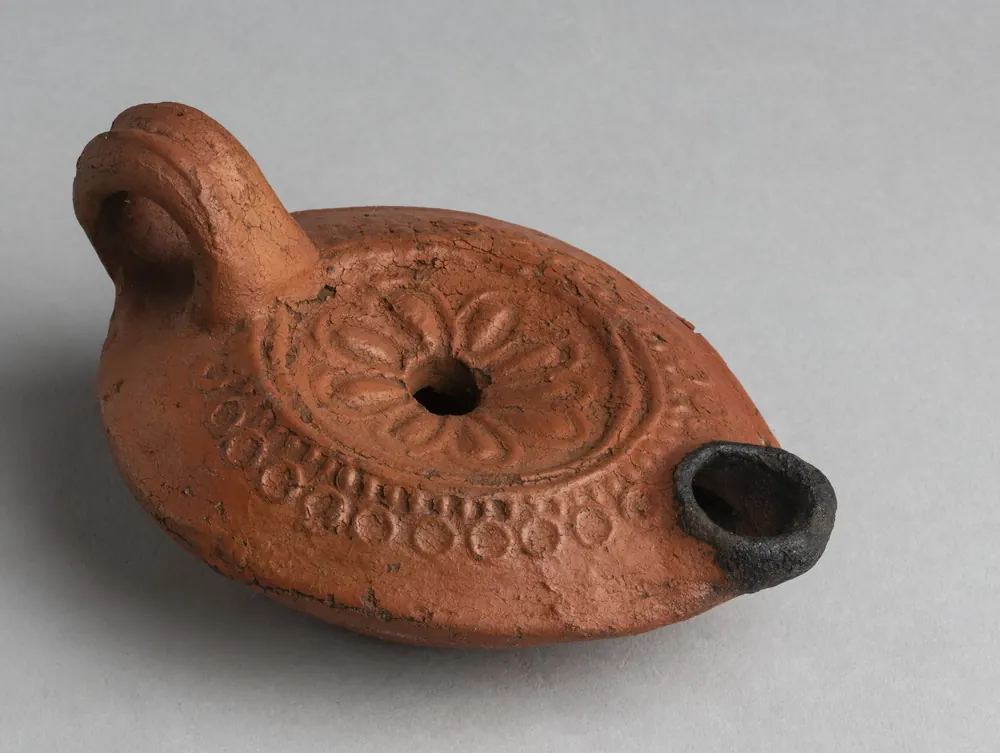
A Roman clay oil lamp with a rosette on its top, made in Roman Egypt between 30 BC and AD 395
A Roman clay lamp, 30 BC – AD 395. Museo Egizio, Turin.

How should Latin sound?

Choose the pronunciation the app speaks and transcribes. You can switch at any time.

Pronunciation

Cicerō /ˈkɪkɛroː/ · Caesar /ˈkae̯sar/

Download on the App StoreDownload on the App Store